Insider Guide · Costa Rica
Best Time to Visit Costa Rica
Which coast, which month, and which rhythm. A month-by-month, region-by-region guide from the Floreo planning desk.
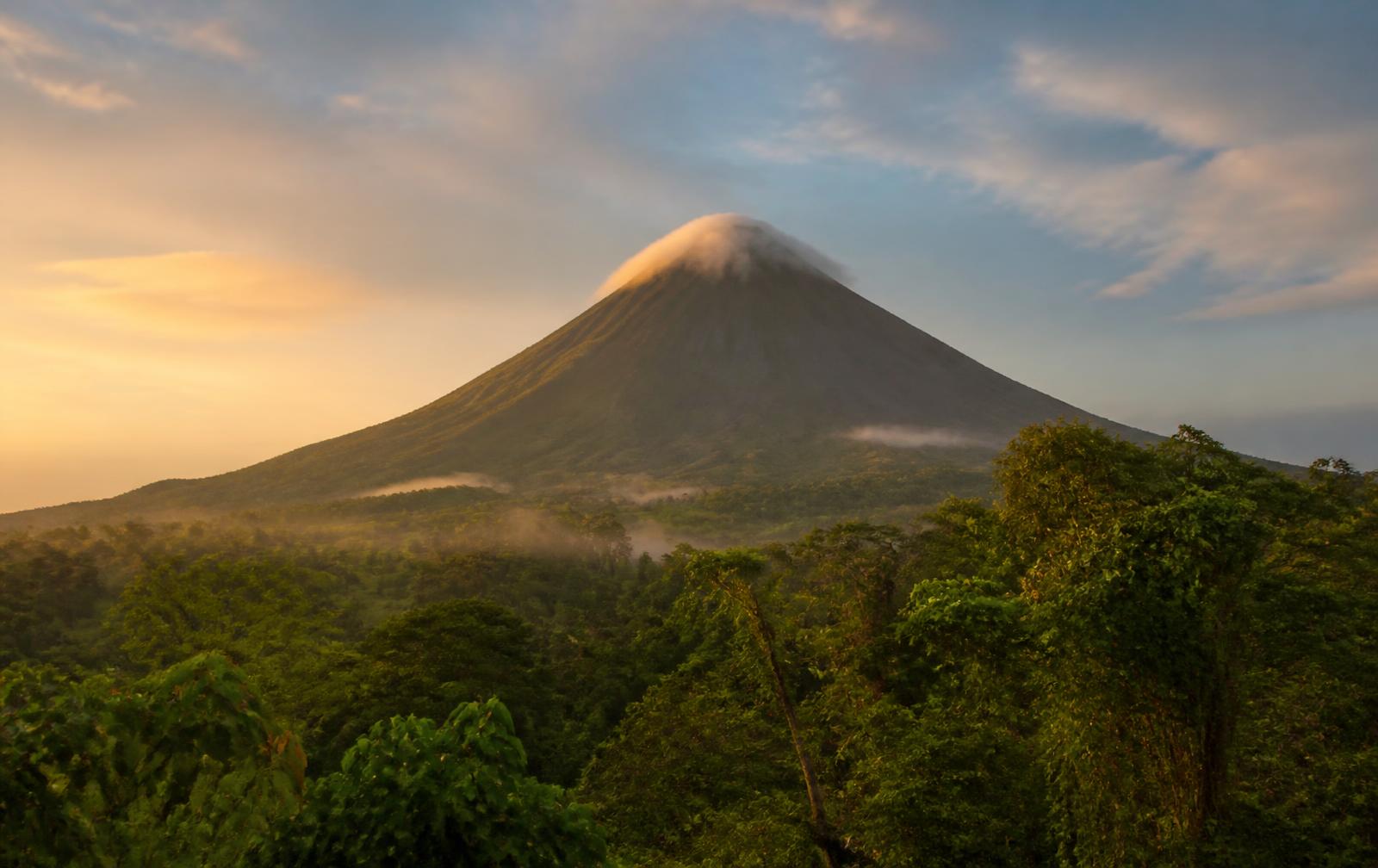
Mid-December through April is Costa Rica's dry season, sunny, breezy, and the easiest for first-time visitors. May, June, and November are the sweet spot for lower prices, greener landscapes, and lighter crowds. July through October is green season on the Pacific but dry on the Caribbean, and the best time for whales and nesting sea turtles.
There isn't one "best" month. The right window depends on which coast you choose, what wildlife you want to see, and how much driving your group will tolerate.
By region
Costa Rica is smaller than West Virginia but has microclimates on every drive. Match the month to the region, not the country.
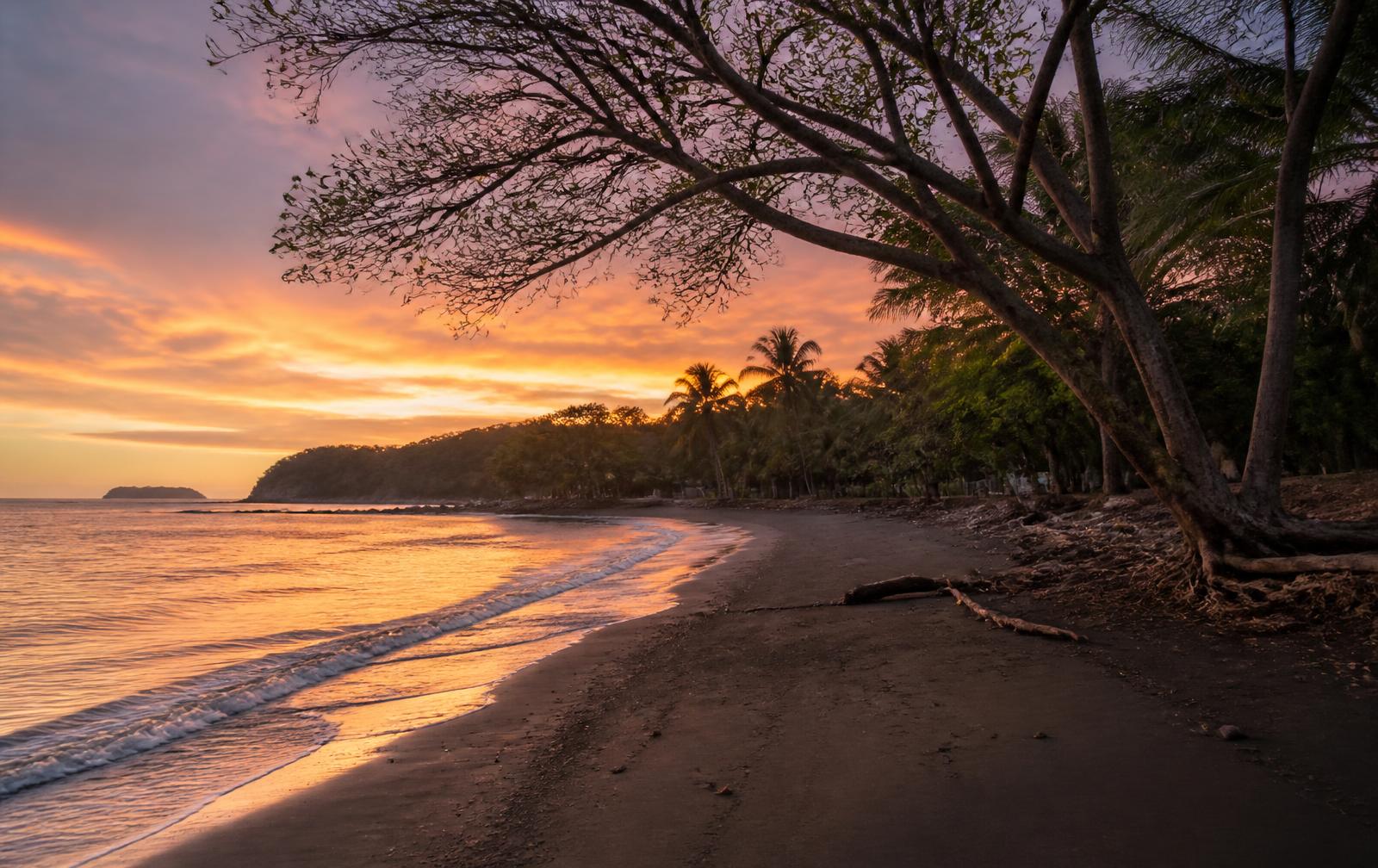
- Guanacaste & Nicoya (North Pacific), mid-Dec to April. Reliable sun, resort-heavy coastline (Papagayo, Tamarindo, Nosara). Best for all-inclusives and easy beach weeks.
- Arenal & Monteverde (Central Highlands), Dec to April, plus mid-July. Volcano views, cloud forest hanging bridges, and hot springs.
- Manuel Antonio & Central Pacific, Dec to April. Family-friendly beach and national park combo, shortest drive from San José.
- Osa Peninsula & Corcovado (South Pacific), Dec to April for easiest access, July to Nov for humpback whales.
- Caribbean Coast (Puerto Viejo, Tortuguero), Feb to April and Sept to Oct. Driest when the Pacific is wettest.
By travel style
- Families on school break: mid-July's veranillo or the late-December holiday window. Book 6 to 9 months out for winter break.
- Honeymoons and couples: February for the driest, most reliable sun in Guanacaste and Papagayo.
- Wildlife-first travelers: May to June for green-season lushness, August to October for whales and nesting turtles.
- Value seekers: September and October, the deepest green-season rates.
- Multi-generational trips: late December or mid-March, when weather is predictable and transfers run smoothly.
Which airport, and how far apart things really are
Flying into the wrong airport is the most common and most expensive planning mistake we fix. Liberia (LIR) sits in the northwest, close to the Guanacaste beaches. San José (SJO) is the hub for Arenal, Monteverde, Manuel Antonio, and anything that crosses the country.
- Liberia to Papagayo or Tamarindo: 40 to 75 minutes
- San José to La Fortuna (Arenal): about 3 hours
- Arenal to Monteverde: 3 to 4 hours by road, or about 1.5 hours with the jeep-boat-jeep transfer across Lake Arenal
- Monteverde to Manuel Antonio: 4 to 4.5 hours
- San José to Manuel Antonio: about 3 hours
- San José to Puerto Viejo (Caribbean): 4.5 hours
- San José to Drake Bay or Puerto Jiménez (Osa): a 50-minute flight, or 6 to 8 hours by road and boat
Roads are paved on the main routes and slower than the map suggests. We plan around two hours of driving per travel day and use domestic flights when a leg would eat a whole day.
Three routes that work
The first-timer week (7 nights)
Two nights Arenal, two nights Monteverde, three nights Manuel Antonio or Guanacaste. Volcano, cloud forest, and beach without ever backtracking. Best December through April, or mid-July.
The wildlife week (7 to 9 nights)
Two nights San José area or Sarapiquí, three nights Osa Peninsula lodge, two or three nights on the Pacific to decompress. Best July through October if you want whales, January through March if you want the driest trails.
The two-coast trip (10 nights)
Three nights Caribbean (Puerto Viejo or Tortuguero), two nights Arenal, three nights Guanacaste, plus travel days. This is the route that turns September and October, usually written off as "rainy," into one of the best value windows of the year.
What a week actually costs
Per person, excluding international airfare, based on trips we have built recently. Costa Rica is not a budget destination in the way its neighbors are, and peak-season pricing in December and January can rival the Caribbean.
- Comfortable: $2,200 to $3,200. Well-run boutique hotels and eco-lodges, shared shuttles or a rental car, a few guided half-days.
- Elevated: $3,800 to $5,500. Design-forward lodges, private transfers with a driver-guide, private national park and wildlife guides.
- Once in a lifetime: $8,000 and up. Papagayo villas, top-tier Osa lodges, domestic flights between regions, a private guide throughout.
Green season, roughly May through November, typically runs 25 to 40 percent below those numbers at the same properties. Christmas and New Year's runs 30 to 50 percent above and often carries minimum-night requirements.
The wildlife calendar
Wildlife is the reason most people come, so it is worth timing the trip around it rather than hoping.
- Humpback whales: July through October in the South Pacific (Uvita, Drake Bay), with a shorter northern-hemisphere season in January and February.
- Green sea turtle nesting: July through October in Tortuguero. Leatherbacks nest March through May on the Caribbean.
- Olive ridley arribadas: September through November at Ostional in Nicoya.
- Resplendent quetzals: February through July in the Talamanca and Monteverde cloud forests.
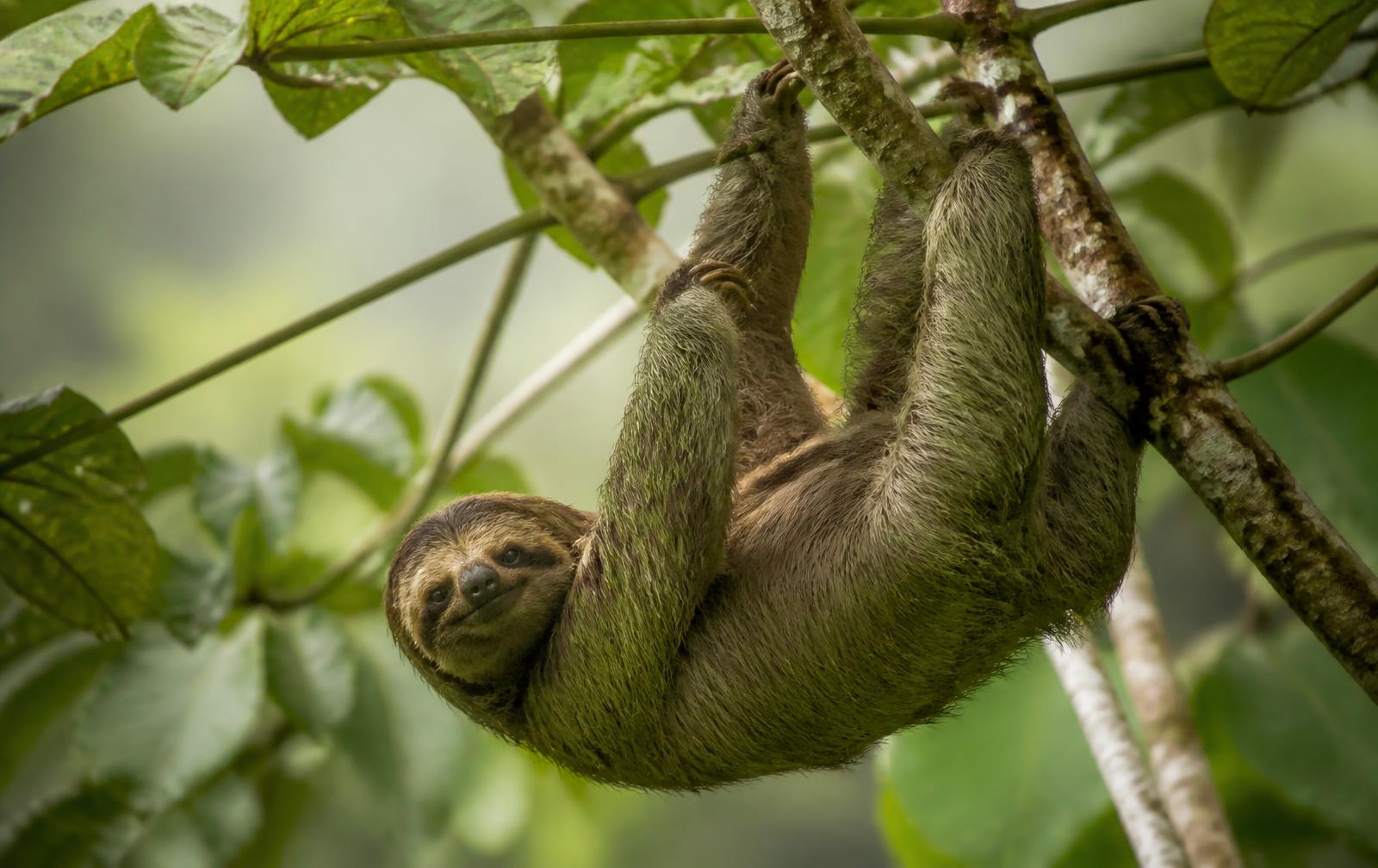
- Sloths, toucans, and monkeys: year-round, but early morning with a guide and a spotting scope is what separates a good sighting day from a great one.
Packing and small logistics
- Rain shell and quick-dry layers year-round, even in February. The cloud forest is cool and damp at 4,500 feet.
- Closed-toe trail shoes for Corcovado, Arenal, and Monteverde. Sandals are not enough on wet trails.
- Reef-safe sunscreen and strong insect repellent, both cheaper packed than purchased.
- Binoculars are the single best thing you can bring. A guide's scope is better, which is why we book one.
- US dollars are widely accepted, colones are better for small purchases, and cards work nearly everywhere outside remote lodges.
- Most nationalities need no visa for stays under 90 days and a passport valid for the length of the stay. There is a departure tax, usually bundled into airfare.
How we plan it
We start with the wildlife or the beach, whichever matters more to your group, then choose the coast, then the month, then the lodges. That order is why our Costa Rica trips involve less driving and more time actually standing still in one beautiful place.
Month by month
| Month | Season | Weather | Crowds | Best for |
|---|---|---|---|---|
| January | Dry | Sunny, breezy, 75–88°F | High | Beach, family travel, Arenal |
| February | Dry | Driest month, low humidity | High | Guanacaste beaches, honeymoons |
| March | Dry | Warm and sunny, dry forest peaks | High | Wildlife viewing, sportfishing |
| April | Shoulder | Warm, first afternoon showers | Moderate | Value + sun, surfing |
| May | Green | Green season begins, lush | Low | Rainforest lodges, deals |
| June | Green | Morning sun, PM rains | Low | Osa Peninsula, families on break |
| July | Shoulder | Little summer mid-July dry spell | Moderate–High | Multi-region trips, kids out of school |
| August | Green | Warm, humid, whale season begins | Moderate | Humpback whales in the South Pacific |
| September | Green | Wettest on the Pacific, driest on the Caribbean | Low | Caribbean coast, turtle nesting |
| October | Green | Peak rains Pacific side | Low | Caribbean, Tortuguero, budget travel |
| November | Shoulder | Rains taper, everything lush | Low–Moderate | Green landscapes without the rain |
| December | Dry | Sunny and dry by mid-month | High (holidays) | Holiday travel, book early |
Insider tips
Book the winter break by summer
The best lodges in Guanacaste and Arenal sell out 6 to 9 months before Christmas and New Year's. If you want prime dates, we start planning in May or June.
Fly into the right airport
Liberia (LIR) is closer to the Guanacaste beaches. San José (SJO) is best for Arenal, Monteverde, and multi-region trips. Choosing wrong can add half a day of driving in each direction.
Green season means morning-first plans
May through November, rain almost always arrives in the afternoon. We front-load wildlife walks, hanging bridges, and zip-lines before 1pm and leave the afternoons for hot springs and pools.
Don't sleep on the Caribbean
Puerto Viejo and Tortuguero run on a completely different weather calendar. September and October are prime there while the Pacific side is soaked.
Two regions, not four
A week works best with two bases, or three at most. The extra region always costs a full day of driving that nobody remembers fondly.
Hire the guide, skip the extra excursion
A private naturalist for one morning in Manuel Antonio or Corcovado will show you more than three self-guided park days. This is the highest-return line item on a Costa Rica budget.
Fly the Osa leg
A 50-minute domestic hop to Drake Bay or Puerto Jiménez replaces 7 or more hours of road and boat. On a one-week trip it effectively buys you a day.
Must do & see
Arenal Volcano hot springs at dusk
Tabacón or Ecotermales after a rainforest hike is the classic first-night reset.
Manuel Antonio National Park with a naturalist guide
You will see three times more wildlife with a trained guide and their scope. Book the first entry slot of the morning.
Osa Peninsula wildlife lodge
Two or three nights at a Corcovado-adjacent lodge such as Lapa Rios or Bosque del Cabo is the stretch guests still talk about a year later.
Papagayo sunset sail
An easy half-day catamaran out of Guanacaste. Golden hour on the Papagayo peninsula is unmatched.
Tortuguero night turtle walk (Jul to Oct)
Green sea turtle nesting with a licensed guide inside the national park, walking the beach by red light.
Monteverde hanging bridges at first light
The cloud forest canopy before the tour buses arrive, when the quetzals and howlers are still active.
Whale watching from Uvita or Drake Bay
Humpbacks calve in the Marino Ballena waters July through October, one of the longest whale seasons on earth.
A coffee or cacao farm morning in the highlands
Poás, Naranjo, or the Sarapiquí valley. Slow, delicious, and the best rainy-morning plan in the country.
Frequently asked questions
What is the overall best time to visit Costa Rica?+
Mid-December through April is the classic best time: dry, sunny, and reliable. If you want fewer crowds and better prices with lush scenery, target May, early June, or November.
When is the rainy (green) season in Costa Rica?+
Roughly May through mid-November on the Pacific side. Rains usually come in the afternoon and mornings are often clear. The Caribbean coast is often driest in September and October.
When is the cheapest time to visit Costa Rica?+
May, June, September, and October offer the best rates on lodges, resorts, and guides. September and October have the deepest discounts on the Pacific coast, often 25 to 40 percent below peak.
When can you see whales, turtles, and quetzals?+
Humpback whales: July through October in the South Pacific. Green sea turtle nesting: July through October in Tortuguero. Resplendent quetzals: February through July in the Talamanca and Monteverde cloud forests.
Is Costa Rica good for a family trip during summer break?+
Yes. Mid-July has a well-known dry spell locals call veranillo, or little summer. We often route families through Arenal, Monteverde, and Manuel Antonio with early-morning activities to stay ahead of afternoon showers.
How far in advance should we book?+
For December through March travel, 6 to 9 months out is ideal. Green-season trips can often be built inside 60 to 90 days.
Do we need a guide, or can we self-drive?+
Both work. First-timers often do best with a mix: private transfers plus a couple of guided days for wildlife. Self-driving is popular in Guanacaste, while guided is smarter for Osa, Tortuguero, and multi-region trips.
How much does a week in Costa Rica cost?+
Per person and excluding international airfare, plan on roughly $2,200 to $3,200 for a comfortable week, $3,800 to $5,500 for an elevated one, and $8,000 and up for top-tier lodges with private guiding and domestic flights. Green season runs well below those figures.
How many places should we visit in one week?+
Two bases, or three at most. Drives take longer than the map suggests, and a fourth stop usually costs a full day in the car.
Should we fly into Liberia or San José?+
Liberia for a Guanacaste beach week. San José for Arenal, Monteverde, Manuel Antonio, the Caribbean, or any trip that crosses the country. Some itineraries are best flown open-jaw, into one and out of the other, which we handle for you.
Is Costa Rica safe for families and first-time travelers?+
Yes. It is one of the most traveler-ready countries in Latin America, with strong tourism infrastructure and licensed guiding. Normal city precautions apply in San José, and the real risks are ocean rip currents and ambitious driving schedules, both of which we plan around.
What should we pack?+
A rain shell and quick-dry layers year-round, closed-toe trail shoes, reef-safe sunscreen, strong insect repellent, and binoculars. The cloud forest is genuinely cool, even in the dry season.
Keep exploring
Plan with a human
Ready to build the trip?
Share a few details and a Floreo advisor will map the right month, region, and rhythm to your travelers. Every brief gets a response within 12 hours.